
Gene and Joyce Daoust’s pioneering work established the 40-30-30 approach, offering a structured path to hormonal balance and sustained weight management.
Numerous PDF guides and resources are available, simplifying implementation and providing readily accessible meal plans for those seeking a balanced dietary strategy.
What is the 40-30-30 Diet?
The 40-30-30 diet, popularized by Gene and Joyce Daoust, centers around a specific macronutrient ratio designed to optimize hormonal function and promote lasting weight loss. This dietary approach allocates 40% of daily calories to carbohydrates, prioritizing low-glycemic sources like vegetables and limited whole grains.
30% of calories come from high-quality protein – think lean meats, fish, or plant-based alternatives – crucial for muscle maintenance and satiety. The remaining 30% is dedicated to healthy fats, supporting overall health and hormone production.
Many readily available PDF meal plans simplify adherence, offering structured guidance for individuals exploring this balanced nutritional framework.
The Core Principles: Carbohydrates, Protein, and Fat
The 40-30-30 diet’s foundation lies in balancing macronutrients. Carbohydrates (40%) should be primarily low-glycemic – vegetables and small portions of fruit or whole grains – providing sustained energy without spiking insulin. Protein (30%), sourced from lean options like chicken or tofu, supports muscle health and increases fullness.
Healthy fats (30%) are vital for hormonal balance and overall well-being.
Successfully implementing this requires understanding portion control, and thankfully, numerous PDF resources offer pre-calculated meal plans, streamlining the process and ensuring adherence to the prescribed ratios for optimal results.
Historical Context: Gene and Joyce Daoust’s Work
Gene and Joyce Daoust initially popularized the 40-30-30 diet, focusing on the “dietary hormonal connection” to weight loss and health. Their research highlighted the importance of macronutrient ratios in influencing hormonal responses, particularly insulin. They proposed this specific balance – 40% carbohydrates, 30% protein, and 30% fat – as optimal for many individuals.
Their work led to publications like “The Formula,” offering practical guidance. Today, readily available PDF meal plans build upon their foundation, simplifying implementation and providing accessible resources for those seeking a structured approach.
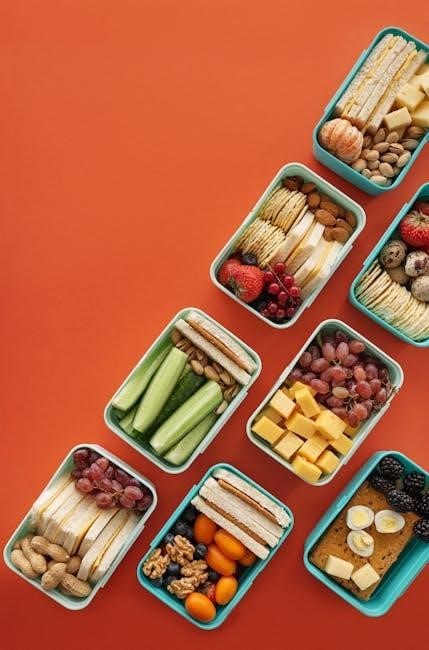
Understanding the Macronutrient Breakdown
The 40-30-30 plan centers on a precise ratio: carbohydrates for energy, protein for muscle, and fats for overall health—easily tracked with PDF guides.
40% Carbohydrates: Focus on Low-Glycemic Options
Prioritizing low-glycemic carbohydrates is crucial within the 40% allocation. This means selecting options that release glucose slowly, preventing energy spikes and aiding in hormonal balance. Excellent choices include vegetables, alongside modest portions of whole grains or fruits.
Resources like downloadable PDF meal plans often highlight suitable carbohydrate sources, simplifying meal preparation. Avoiding refined sugars and processed carbohydrates is key to maximizing the benefits of this macronutrient ratio. Focusing on fiber-rich options promotes satiety and supports digestive health, aligning with the 40-30-30 principles.
30% Protein: Prioritizing High-Quality Sources
Allocating 30% of daily calories to protein necessitates choosing high-quality sources to support muscle maintenance, satiety, and overall health. Optimal choices include lean meats like chicken or fish, eggs, and plant-based alternatives such as tofu.
Many PDF meal plans readily available online emphasize these protein sources, offering practical meal ideas. Prioritizing protein helps stabilize blood sugar levels and supports hormonal function, integral to the 40-30-30 diet’s success. Consistent protein intake is vital for achieving and maintaining a healthy weight.
30% Fat: Healthy Fats for Optimal Health
Devoting 30% of daily calories to fat requires careful selection of healthy sources. Prioritize monounsaturated and polyunsaturated fats found in avocados, nuts, seeds, and olive oil. These fats support hormone production, brain function, and nutrient absorption.
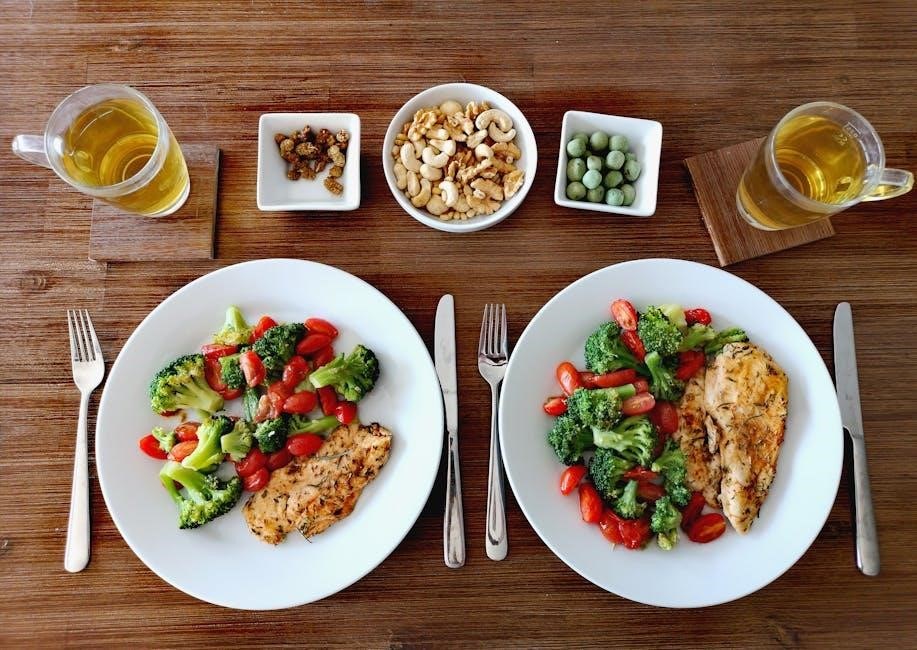
Numerous 40-30-30 meal plan PDFs highlight incorporating these fats into meals, offering practical guidance. Avoiding trans fats and limiting saturated fats is crucial. Healthy fats contribute to satiety and overall well-being, making them a cornerstone of this dietary approach.

Benefits of the 40-30-30 Diet
The 40-30-30 diet promotes weight loss, improved hormonal balance, and sustained energy levels, often detailed within accessible PDF meal plans.
Weight Loss and Management
The 40-30-30 diet, as outlined in resources like downloadable PDF meal plans, facilitates weight loss by optimizing hormonal responses to food intake. This approach emphasizes a balance of macronutrients – 40% carbohydrates, 30% protein, and 30% fat – to promote satiety and reduce cravings.
By focusing on low-glycemic carbohydrates and high-quality protein, the diet helps stabilize blood sugar levels, preventing energy crashes and overeating. Many PDF guides offer structured meal plans designed to create a calorie deficit while ensuring adequate nutrient intake, supporting sustainable weight management and overall health improvements. These plans often include shopping lists and preparation tips.
Improved Hormonal Balance
The 40-30-30 diet, detailed in available PDF resources, directly impacts hormonal regulation through its macronutrient composition. Specifically, the balance of carbohydrates, protein, and fats influences insulin sensitivity and cortisol levels, crucial for metabolic health.
PDF meal plans often prioritize low-glycemic carbohydrates, minimizing insulin spikes and promoting stable energy. Adequate protein intake supports hormone production, while healthy fats contribute to overall hormonal function. This dietary approach, as explained in Daoust’s work, aims to create a hormonal environment conducive to weight loss, improved mood, and enhanced well-being, all readily accessible through structured guides.
Enhanced Energy Levels
The 40-30-30 diet, easily implemented with readily available PDF meal plans, promotes sustained energy levels by stabilizing blood sugar. Unlike diets causing energy crashes, this approach emphasizes complex carbohydrates, providing a slow and steady glucose release.
PDF guides highlight the importance of prioritizing high-quality protein and healthy fats, both essential for optimal cellular function and energy production. By avoiding drastic caloric restriction and focusing on balanced nutrition, as outlined by Daoust, individuals experience consistent energy throughout the day, improving focus and physical performance. These plans offer a practical path to vitality.
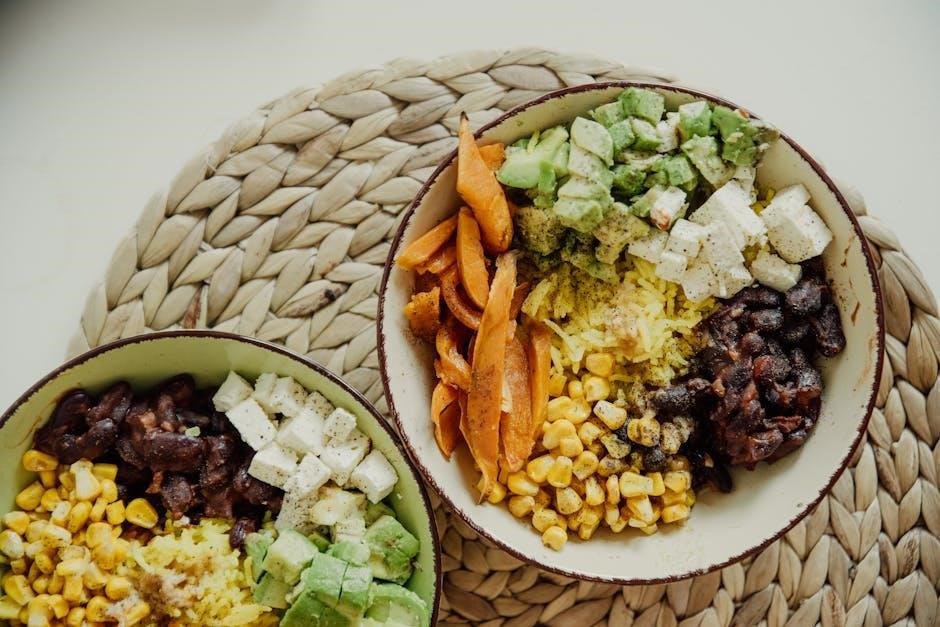
Creating Your 40-30-30 Meal Plan
Utilizing PDF resources, begin by calculating daily calorie needs, then determine macronutrient grams based on the 40-30-30 ratio for personalized success.
Calculating Your Daily Calorie Needs
Determining your baseline caloric intake is the crucial first step in crafting a successful 40-30-30 meal plan, often aided by readily available PDF guides. Begin by calculating your Basal Metabolic Rate (BMR), the energy your body expends at rest. Online calculators, frequently linked within downloadable plans, simplify this process.
Next, factor in your activity level – sedentary, lightly active, moderately active, or very active – multiplying your BMR by an appropriate activity multiplier. This yields your Total Daily Energy Expenditure (TDEE). For weight loss, a moderate calorie deficit (around 500 calories) is generally recommended, while weight gain requires a surplus. Many PDF meal plans provide pre-calculated options based on various activity levels.
Determining Macronutrient Grams
Once your daily calorie needs are established, translating the 40-30-30 ratio into grams is straightforward, often detailed within comprehensive PDF meal plans. First, calculate carbohydrate grams: multiply your total daily calories by 0.40, then divide by 4 (calories per gram of carbohydrate). Next, determine protein grams: multiply total calories by 0.30 and divide by 4.
Finally, calculate fat grams: multiply total calories by 0.30 and divide by 9 (calories per gram of fat). These calculations ensure adherence to the core principles of the diet, and many PDF resources offer pre-calculated gram amounts for various calorie levels, simplifying the process.
Sample Meal Plan (2500 Calories)
A 2500-calorie 40-30-30 plan breaks down to 250g carbohydrates, 187.5g protein, and approximately 83g of fat. Many downloadable PDF meal plans illustrate this. Breakfast could be oatmeal with berries and protein powder. Lunch: a large salad with grilled chicken and avocado. Dinner might feature salmon with roasted vegetables and a small portion of quinoa.
Snacks could include Greek yogurt or a handful of nuts. These PDF guides often provide detailed portion sizes and recipes, ensuring adherence to the macronutrient ratios. Remember, this is a sample; individual needs vary, and customization is key.

Food Choices for Each Macronutrient
PDF resources highlight prioritizing low-glycemic carbs like vegetables, lean proteins such as fish, and healthy fats from avocados and nuts for optimal results.
Best Carbohydrate Sources
PDF meal plans emphasize selecting carbohydrates that support stable energy levels and hormonal balance. Prioritize non-starchy vegetables like broccoli, spinach, and kale as foundational choices, providing essential nutrients with minimal impact on blood sugar.
Small portions of whole grains – think quinoa or brown rice – and limited amounts of fruits, such as berries, can also be incorporated. The 40-30-30 diet steers away from refined sugars and processed carbohydrates, focusing instead on fiber-rich options to promote satiety and overall health. Resources often detail specific serving sizes for optimal macronutrient ratios.
Optimal Protein Choices
PDF guides for the 40-30-30 plan consistently highlight the importance of high-quality protein sources. Lean meats like chicken breast and fish are excellent choices, providing essential amino acids without excessive saturated fat.
Eggs are another versatile and nutrient-dense option. For plant-based eaters, tofu and other soy products offer complete proteins. Prioritizing protein helps maintain muscle mass, boosts metabolism, and promotes feelings of fullness. Detailed meal plans often specify protein portion sizes to ensure adherence to the 30% macronutrient target, supporting weight management and overall wellness.
Healthy Fat Options
PDF resources detailing the 40-30-30 diet emphasize incorporating healthy fats, crucial for hormonal balance and overall health. Avocados, nuts, and seeds are frequently recommended, providing monounsaturated and polyunsaturated fats.
Olive oil is a staple for cooking and dressings. Fatty fish like salmon offer omega-3 fatty acids, known for their anti-inflammatory properties. These fats contribute to satiety and nutrient absorption. Meal plans often suggest specific fat sources and quantities to maintain the 30% macronutrient ratio, supporting sustained energy and well-being.

Meal Planning Resources & PDF Guides
Printable meal plans and online macro trackers simplify adherence to the 40-30-30 diet, while cookbooks like “The Everything Macro Diet Cookbook” offer guidance.
Availability of Printable Meal Plans
Numerous sources offer downloadable 40-30-30 meal plans in PDF format, catering to diverse preferences and caloric needs. These plans often provide a structured framework, outlining breakfast, lunch, dinner, and snack options aligned with the macronutrient ratio.
Searching online reveals various free and premium options, ranging from basic templates to comprehensive guides with shopping lists and recipe ideas. Websites dedicated to health and wellness frequently host these resources, simplifying the implementation of the diet. The availability of these printable plans significantly enhances accessibility, allowing individuals to easily follow the 40-30-30 principles without extensive manual calculation or planning.
Online Tools for Macro Tracking
Successfully implementing the 40-30-30 diet often involves meticulous macro tracking, and thankfully, several online tools simplify this process. Applications like MyFitnessPal, Lose It!, and Cronometer allow users to log their food intake and automatically calculate macronutrient percentages.
These platforms often integrate with PDF meal plans, enabling easy input of recipes and portion sizes. Furthermore, many tools offer barcode scanners and extensive food databases, streamlining the tracking experience. Utilizing these resources ensures adherence to the 40-30-30 ratio, maximizing the diet’s potential benefits for weight management and overall health.
Recommended Cookbooks: “The Everything Macro Diet Cookbook”
“The Everything Macro Diet Cookbook” provides 300 satisfying recipes specifically designed to align with macronutrient-focused eating, including the 40-30-30 plan. This resource simplifies meal preparation by offering pre-calculated macro breakdowns for each dish, eliminating guesswork.
Many recipes can be easily adapted to fit personalized PDF meal plans, offering flexibility and variety. The cookbook emphasizes lean proteins, healthy fats, and complex carbohydrates, supporting the core principles of the diet. It’s an invaluable tool for individuals seeking delicious and convenient ways to adhere to the 40-30-30 ratio.

Adapting the Plan to Your Needs
Personalization is key; adjust the 40-30-30 ratio based on activity levels and dietary needs, utilizing PDF resources for tailored meal planning.
Adjusting for Activity Level
Active individuals require more calories to fuel their workouts and support recovery, necessitating adjustments to the 40-30-30 framework. While maintaining the macronutrient ratio, increase overall food intake proportionally to energy expenditure.
For those engaging in intense physical activity, a slight increase in carbohydrate intake within the 40% allocation can be beneficial, providing readily available energy. PDF meal plans designed for higher activity levels can offer guidance. Conversely, individuals with sedentary lifestyles may need to reduce calorie intake and potentially slightly lower carbohydrate portions.
Utilizing printable resources and tracking tools helps fine-tune the plan, ensuring it aligns with individual energy demands and supports optimal performance and health. Remember, consistency and mindful adjustments are crucial for success.
Modifications for Dietary Restrictions
The 40-30-30 plan is adaptable to various dietary needs. For vegetarian or vegan individuals, prioritize plant-based protein sources like tofu, lentils, and beans to meet the 30% protein requirement. Ensure adequate intake of essential amino acids through diverse combinations.
Those with gluten intolerance should focus on gluten-free carbohydrate options, such as quinoa, brown rice, and sweet potatoes. PDF guides often include substitutions for common allergens. Individuals with other restrictions can similarly modify food choices while maintaining the core macronutrient ratios.
Careful planning and utilizing specialized meal plans are key to successfully implementing the diet while adhering to personal dietary limitations.
Vegetarian and Vegan 40-30-30 Options
Adapting the 40-30-30 diet for vegetarian and vegan lifestyles requires careful protein sourcing. Focus on 30% protein from sources like tofu, tempeh, lentils, chickpeas, and quinoa. Combining plant proteins ensures complete amino acid profiles.
Carbohydrates remain consistent – prioritize low-glycemic options. Healthy fats are also unchanged. Many PDF meal plans specifically cater to plant-based diets, offering structured guidance and recipe ideas.
Successful implementation involves mindful planning and potentially supplementing with vitamin B12, common in vegan diets, to maintain optimal health while adhering to the macronutrient ratios.

Potential Challenges and Solutions
Consistency and cravings are common hurdles; accurate macro tracking, utilizing available PDF guides, and planning are key to overcoming them effectively.
Dealing with Cravings
Cravings can derail even the most dedicated dieter, but the 40-30-30 plan offers strategies for mitigation. Prioritize sufficient protein intake within your macronutrient targets, as it promotes satiety and reduces hunger pangs.
Leverage readily available PDF meal plans to pre-plan satisfying meals and snacks, minimizing impulsive choices. Focus on incorporating low-glycemic carbohydrate sources, like vegetables, to stabilize blood sugar levels and prevent energy crashes that trigger cravings.
Remember that occasional indulgences are permissible, but mindful portion control is crucial. Utilizing macro-tracking tools alongside your PDF guide can help maintain balance and accountability.
Maintaining Consistency
Long-term success with the 40-30-30 diet hinges on consistent adherence. Utilizing pre-made PDF meal plans significantly simplifies this process, reducing daily decision fatigue and ensuring you stay on track. Batch cooking and meal prepping are invaluable tools for busy schedules.
Regularly review your progress and celebrate small victories to reinforce positive habits. Don’t view setbacks as failures, but as learning opportunities. A well-structured PDF guide can provide ongoing support and motivation.
Remember, consistency isn’t about perfection; it’s about making sustainable lifestyle changes.
Tracking Macronutrients Accurately
Precise macronutrient tracking is crucial for realizing the 40-30-30 diet’s benefits. Numerous online tools and apps assist in logging food intake and calculating percentages of carbohydrates, protein, and fats. Many PDF meal plans include pre-calculated macronutrient breakdowns, streamlining this process.
Food scales and measuring cups enhance accuracy, while understanding food labels is essential. Consistent tracking provides valuable insights into dietary habits and identifies areas for improvement.
Don’t rely solely on estimations; prioritize precision for optimal results and hormonal balance.

The 40-30-30 Diet and Bodybuilding
Adjusting macronutrient ratios—like 40/30/30—supports muscle gain or fat loss, and PDF meal plans can be tailored for bodybuilding goals.
Macro Ratios for Muscle Gain and Cutting
For muscle gain, a slight adjustment to the 40-30-30 ratio might be beneficial, potentially increasing protein intake slightly while maintaining carbohydrate levels for energy during intense training. Conversely, during a cutting phase, a minor reduction in carbohydrates and a corresponding increase in protein can help preserve muscle mass while promoting fat loss.
Utilizing PDF meal plans designed specifically for these phases streamlines the process, ensuring adherence to the optimal macronutrient distribution. These plans often provide detailed food lists and portion sizes, simplifying meal preparation and tracking. Remember, consistency and accurate macro tracking are crucial for achieving desired results, and readily available resources, including downloadable guides, can significantly aid in this endeavor.
Sample Bodybuilding Meal Plan
A 2500-calorie 40-30-30 bodybuilding plan might include: Breakfast – Oatmeal (40g carbs) with protein powder (30g protein) and almonds (15g fat). Lunch – Chicken breast (30g protein) with sweet potato (40g carbs) and avocado (15g fat). Dinner – Salmon (30g protein) with brown rice (40g carbs) and olive oil-dressed vegetables (15g fat).
Many PDF meal plans offer variations, providing diverse options to prevent dietary monotony. These plans often detail precise portion sizes and macronutrient breakdowns for each meal, simplifying adherence. Remember to adjust quantities based on individual needs and activity levels, and utilize tracking tools to ensure consistency with the 40-30-30 ratio.