
Built to Move introduces a revolutionary approach to well-being, focusing on fundamental movement patterns. The Starretts’ work emphasizes self-assessment through 10 tests, readily accessible regardless of current fitness levels.
Overview of the Book’s Core Philosophy
The central tenet of Built to Move revolves around the idea that optimal health and longevity aren’t necessarily tied to intense workouts or complex training regimens. Instead, Kelly and Juliet Starrett advocate for a return to foundational movement qualities – those inherent abilities we possess, or should possess, allowing us to navigate daily life with ease and resilience.
The book champions a proactive, self-assessment approach, empowering individuals to identify and address movement limitations before they escalate into pain or injury. This is achieved through the implementation of the 10 tests, designed to reveal crucial insights into mobility, stability, and overall physical function. These aren’t about achieving a score; they’re diagnostic tools for understanding your body’s current state.
The philosophy isn’t about pushing limits, but rather about building a robust foundation. It’s about recognizing that consistent, small improvements in fundamental movement patterns – breathing, squatting, rotating – can yield significant, long-term benefits. The 10 physical practices complement the tests, offering actionable strategies to address identified weaknesses and cultivate a more resilient, capable body; Ultimately, Built to Move promotes a sustainable path to lifelong movement health.
The Importance of Movement Quality

Built to Move fundamentally shifts the focus from quantity of exercise to quality of movement. The authors argue that simply logging hours at the gym isn’t enough; how you move – your form, range of motion, and control – is paramount. Poor movement patterns contribute to chronic pain, increased injury risk, and diminished overall function.
The 10 tests within the book serve as a baseline assessment of this movement quality, highlighting areas where limitations exist. These aren’t fitness tests in the traditional sense; they evaluate fundamental abilities like squatting, rotating, and breathing – movements essential for everyday tasks; Identifying deficiencies allows for targeted intervention.
Prioritizing movement quality isn’t about achieving athletic prowess; it’s about optimizing the body’s inherent capacity to move efficiently and pain-free. The 10 physical practices are designed to address the issues revealed by the tests, restoring proper mechanics and building a more resilient musculoskeletal system. This approach emphasizes building a strong foundation before adding load or intensity, ensuring long-term movement health and vitality.

The 10 Tests: A Comprehensive Breakdown
Built to Move presents a practical self-assessment toolkit. The 10 tests evaluate vital signs of movement, encompassing mobility, posture, and breathing – all achievable at any fitness level.
Test 1: The Sit-Stands Test
The Sit-Stands Test, a foundational assessment in Built to Move, gauges fundamental movement capacity and overall physical resilience. This isn’t about strength; it’s about efficient, controlled movement patterns. The test involves simply timing how long it takes to stand up from a seated position five times, then sitting back down – without using hands if possible.
This deceptively simple exercise reveals a surprising amount about your body’s integrated function. It highlights weaknesses in leg strength, core stability, and coordination. A slow time indicates potential limitations in these areas, signaling a need for targeted mobility work. The Sit-Stands test serves as a baseline, allowing you to track progress as you implement the book’s practices.
Researchers utilize this test to assess functional fitness, and it’s a powerful indicator of future health and independence. It’s a key Vital Sign, providing valuable insight into your body’s ability to perform everyday tasks. Consistent monitoring of your Sit-and-Rise Test performance will demonstrate the positive impact of the 10 physical practices.
Test 2: Deep Squat Assessment
The Deep Squat Assessment, a cornerstone of the Built to Move methodology, evaluates your body’s ability to achieve and maintain a full, deep squat position. This test isn’t about how low you can go, but how you go low – maintaining a neutral spine and proper form is paramount. It reveals limitations in ankle, hip, and thoracic spine mobility.
Can you squat deeply while keeping your heels on the ground and your back straight? Difficulty indicates tightness in key areas, potentially leading to compensatory movement patterns and increased injury risk. The assessment highlights areas needing attention, guiding your focus during the 10 physical practices.
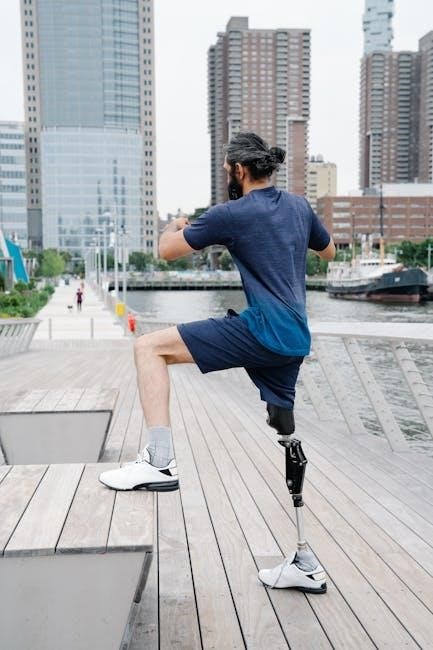
This test assesses not just flexibility, but also proprioception – your body’s awareness of its position in space. A successful deep squat demonstrates efficient joint mechanics and neuromuscular control. It’s a crucial Vital Sign, reflecting overall movement health. Tracking improvements in your squat depth and form will showcase the benefits of consistent mobility work, as outlined in the 10 tests.
Test 3: Shoulder Range of Motion
The Shoulder Range of Motion test, a vital component of the Built to Move framework, assesses your ability to comfortably raise your arms overhead and behind your back. This isn’t merely about flexibility; it’s about functional movement, crucial for everyday activities and athletic performance. Limited shoulder mobility can stem from tightness in the Rotator Cuff, thoracic spine, or even restrictions in the hips.
The test involves evaluating both flexion (raising arms forward) and external rotation (reaching behind the back). Difficulty performing these movements suggests potential imbalances or restrictions impacting posture and movement quality. Addressing these limitations is key to preventing shoulder pain and injury.
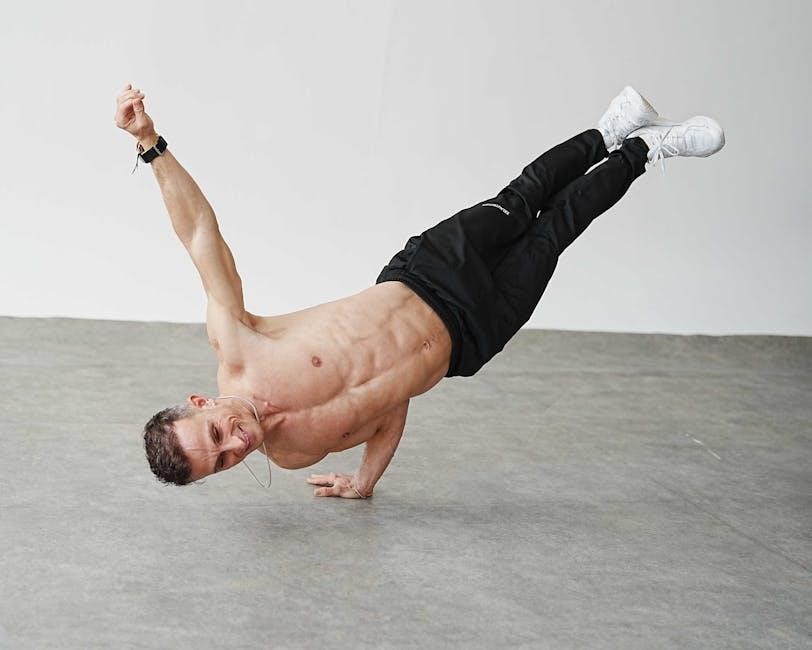
As one of the 10 tests, this assessment provides a baseline measurement. Consistent practice, guided by the 10 physical practices, aims to improve shoulder mobility and restore optimal function. Tracking progress demonstrates the effectiveness of the program, enhancing overall movement health and contributing to a more pain-free life, as detailed in the Built to Move guide.
Test 4: Ankle Mobility Assessment
The Ankle Mobility Assessment, a cornerstone of the Built to Move program, evaluates the dorsiflexion range – how far you can bring your shin towards your foot while keeping your heel grounded. Often overlooked, ankle mobility significantly impacts squat depth, gait, and overall lower body mechanics. Restricted ankles force compensation in other joints, potentially leading to knee, hip, or back pain.
This test isn’t about forcing a stretch; it’s about assessing natural movement capacity. Difficulty achieving adequate dorsiflexion suggests tightness in the calf muscles, ankle joint capsule, or even restrictions in the fascia. Addressing these limitations is crucial for efficient movement patterns.
As one of the 10 tests, this provides a baseline. The 10 physical practices offer targeted interventions to improve ankle mobility, restoring optimal function. Consistent assessment and practice, as outlined in the Built to Move resource, contribute to better movement quality and reduced injury risk, promoting a more resilient and capable body.
Test 5: Torso Rotation Evaluation
The Torso Rotation Evaluation, a vital component of the Built to Move framework, assesses the ability to rotate the upper body independently of the hips. This test highlights the importance of spinal mobility for everyday activities and athletic performance. Limited torso rotation can restrict movements like reaching, twisting, and even walking efficiently.
This assessment isn’t about achieving maximal rotation, but rather identifying asymmetries or restrictions. Difficulty rotating to one side compared to the other indicates potential stiffness in the thoracic spine or surrounding tissues. Such imbalances can contribute to compensatory patterns and increased injury risk.
As one of the 10 tests, it establishes a baseline for improvement. The accompanying 10 physical practices provide strategies to enhance torso rotation, promoting a more fluid and adaptable spine. Regular evaluation, alongside consistent practice, as detailed in the Built to Move guide, fosters better movement quality and overall physical resilience.
Test 6: Hamstring Flexibility Test
The Hamstring Flexibility Test, a cornerstone of the Built to Move assessment, evaluates the length and suppleness of the hamstring muscles. Often overlooked, hamstring tightness significantly impacts posture, pelvic alignment, and movement efficiency. This test isn’t about touching your toes, but gauging functional flexibility.

As one of the 10 tests, it reveals how well your hamstrings allow for proper hip hinge mechanics – crucial for lifting, squatting, and even simply bending over; Restricted hamstrings can force the lower back to compensate, leading to pain and injury. The assessment identifies asymmetries, highlighting which leg requires more attention.
The Built to Move methodology doesn’t advocate for static stretching; instead, it emphasizes dynamic mobility and addressing the root causes of hamstring tightness. The accompanying 10 physical practices offer targeted strategies to improve hamstring flexibility and restore optimal movement patterns, enhancing overall physical function.

Test 7: Hip Extension Range
The Hip Extension Range test, a vital component of the Built to Move framework, assesses the ability to fully extend the hip joint. This isn’t merely about flexibility; it’s about functional movement capacity, impacting everything from walking and running to squatting and lifting. As one of the 10 tests, it reveals limitations that can compromise biomechanics.
Limited hip extension often stems from tight hip flexors or restrictions in the surrounding tissues. This can lead to an anterior pelvic tilt, lower back pain, and inefficient movement patterns. The test identifies asymmetries, pinpointing which side requires focused attention and corrective exercises.
Built to Move emphasizes restoring proper hip extension through targeted mobility drills and strengthening exercises. The associated 10 physical practices provide a roadmap for improving hip function, promoting optimal posture, and enhancing athletic performance, ultimately contributing to a more resilient and pain-free body;
Test 8: Arch Support and Foot Function
Within the Built to Move system, the Arch Support and Foot Function test is crucial, often overlooked yet profoundly impactful. As one of the 10 tests, it evaluates the integrity of the foot’s arch and its ability to properly distribute weight. Healthy foot function is foundational for efficient movement throughout the entire kinetic chain.
Compromised arch support can lead to a cascade of issues, including plantar fasciitis, knee pain, hip imbalances, and even lower back problems. The test assesses both static and dynamic foot posture, revealing weaknesses or restrictions that hinder optimal biomechanics. It highlights the importance of foot strength and mobility.
Built to Move advocates for exercises that strengthen the intrinsic foot muscles and improve arch stability. Integrating the 10 physical practices can restore proper foot function, enhancing balance, improving gait, and reducing the risk of injury, contributing to overall physical resilience.
Test 9: Neck Mobility and Posture
The Neck Mobility and Posture assessment, a key component of the 10 tests outlined in Built to Move, evaluates the range of motion in the cervical spine and identifies postural imbalances. Often neglected, neck health significantly impacts overall movement quality and can contribute to headaches, shoulder pain, and upper back stiffness.
This test isn’t simply about flexibility; it assesses how well the neck moves in relation to the torso. Poor posture, frequently stemming from prolonged sitting or screen time, restricts neck movement and places undue stress on the surrounding tissues. The Built to Move approach emphasizes restoring natural cervical curves.
Addressing neck limitations through the 10 physical practices – including targeted mobility drills – can alleviate pain, improve breathing mechanics, and enhance proprioception. Prioritizing neck health is vital for maintaining a balanced and resilient musculoskeletal system, promoting long-term well-being.
Test 10: Breathing Pattern Analysis (Nose vs. Mouth)
The final of the 10 tests in Built to Move, Breathing Pattern Analysis, focuses on identifying whether you primarily breathe through your nose or mouth. This seemingly simple distinction profoundly impacts physiological function, influencing oxygen uptake, carbon dioxide tolerance, and nervous system regulation.
Nasal breathing filters, warms, and humidifies air, optimizing oxygen delivery to tissues. It also stimulates nitric oxide production, a crucial molecule for vasodilation and improved blood flow. Conversely, mouth breathing bypasses these vital processes, potentially leading to reduced oxygenation and increased stress responses.
The Built to Move methodology advocates for prioritizing nasal breathing as a cornerstone of optimal health. Implementing the 10 physical practices, particularly proper breathing techniques, can retrain breathing patterns and unlock numerous benefits, including improved energy levels, reduced anxiety, and enhanced athletic performance.

The 10 Physical Practices
Built to Move outlines 10 physical practices designed to enhance mobility and overall health. These practices complement the 10 tests, offering actionable steps for improvement and lasting well-being.
Practice 1: Daily Mobility Routine
Establishing a daily mobility routine is foundational to the Built to Move philosophy. This isn’t about intense stretching or complex workouts; it’s about consistent, small movements performed throughout the day. The goal is to maintain and improve the range of motion identified through the initial 10 tests.
Think of it as preventative maintenance for your body. A simple routine might include gentle ankle circles, thoracic spine rotations, and hip flexor stretches. These movements address common areas of stiffness and restriction. The authors advocate for incorporating these movements into existing habits – while brushing your teeth, waiting for coffee to brew, or during commercial breaks.
Consistency is paramount. Even five to ten minutes daily can yield significant benefits. The routine should be tailored to individual needs, addressing areas highlighted as limited during the self-assessment. Prioritizing mobility helps prepare the body for activity, reduces the risk of injury, and promotes a feeling of freedom and ease of movement. It’s about building a body that’s truly built to move.
Practice 2: Proper Breathing Techniques
Built to Move places significant emphasis on the often-overlooked aspect of breathing. The authors highlight a critical distinction: nasal versus mouth breathing. Optimal breathing, according to the book, is diaphragmatic – deep, slow breaths initiated from the belly, inhaled and exhaled through the nose. This technique maximizes oxygen intake and promotes relaxation, impacting everything from posture to performance.
Mouth breathing, conversely, can lead to overexertion and decreased oxygenation. The 10 tests include a breathing pattern analysis to identify habitual mouth breathers. Correcting this pattern involves conscious effort and practice. Simple exercises, like box breathing (inhale for four, hold for four, exhale for four, hold for four), can retrain the diaphragm.
Proper breathing isn’t just about physical health; it’s linked to nervous system regulation. Deep, nasal breathing activates the parasympathetic nervous system, promoting a state of calm. Integrating this practice throughout the day, especially during moments of stress, is a powerful tool for overall well-being and supports the body’s natural ability to move freely.
Practice 3: Optimizing Sleep Hygiene
Built to Move recognizes sleep as a foundational pillar of physical health, directly impacting movement quality and recovery. The book doesn’t prescribe a specific sleep duration but emphasizes the importance of quality sleep. Optimizing sleep hygiene involves creating an environment conducive to restful slumber and establishing consistent routines.
Key recommendations include maintaining a dark, quiet, and cool bedroom. Limiting screen time before bed is crucial, as blue light interferes with melatonin production. Consistent sleep and wake times, even on weekends, help regulate the body’s natural circadian rhythm. The 10 tests indirectly assess sleep quality through its impact on overall vitality and movement patterns.
Furthermore, the authors suggest avoiding caffeine and alcohol close to bedtime. Prioritizing relaxation techniques, such as deep breathing (as discussed in Practice 2), can also aid in falling asleep. Adequate sleep isn’t merely about feeling rested; it’s essential for tissue repair, hormonal balance, and optimal physical function, supporting the body’s ability to execute the other nine physical practices effectively.
Practice 4: Nutritional Guidelines (Fruits & Vegetables)
Built to Move champions a whole-foods approach to nutrition, with a particular emphasis on the consumption of fruits and vegetables. The Starretts advocate for a daily intake of at least 800 grams – a substantial amount designed to flood the body with essential micronutrients. This isn’t about restrictive dieting, but rather prioritizing nutrient density to support optimal movement and recovery.
Fruits and vegetables provide vital vitamins, minerals, and antioxidants that combat inflammation and promote tissue health. These nutrients are crucial for maintaining joint mobility, muscle function, and overall vitality – all directly assessed through the 10 tests outlined in the book. The authors highlight the importance of variety, encouraging a rainbow of colors to ensure a broad spectrum of nutrients.
While the book doesn’t delve into complex macronutrient ratios, it firmly establishes fruits and vegetables as the cornerstone of a movement-focused diet. Adequate nutrition fuels the body’s ability to perform the physical practices and adapt to the demands of daily life, ultimately enhancing long-term health and well-being.
Practice 5: Incorporating Slow Count Movements
Built to Move introduces the powerful concept of slow count movements as a key component of improving movement quality and building resilience. This practice involves performing exercises – even familiar ones – with a deliberately slow tempo, often utilizing a “count of five” for each phase of the movement. This isn’t about increasing intensity, but rather enhancing proprioception and control.
By slowing down, individuals are forced to engage muscles more consciously, improving their awareness of body position and movement patterns. This heightened awareness directly addresses limitations identified through the 10 tests, allowing for targeted improvements in areas like ankle mobility, hip extension, and torso rotation. The slow tempo also reduces the risk of injury by minimizing momentum and maximizing muscle activation.
The authors emphasize that slow count movements are accessible to all fitness levels and can be integrated into existing routines. It’s a simple yet profound technique for rebuilding foundational movement skills and fostering a deeper connection with the body.
Applying ‘Built to Move’ Principles
Built to Move encourages consistent implementation of the 10 tests and practices for long-term benefits. Adaptations are key, tailoring exercises to individual fitness levels and daily routines.
Integrating the Tests into Daily Life
The true power of Built to Move lies in seamlessly weaving the 10 tests into your everyday routine, transforming self-assessment from a chore into a habitual check-in with your body. Think of these assessments not as pass/fail evaluations, but as vital signs – indicators of your current physical state. Begin by scheduling dedicated time, even just five minutes, each morning or evening.
Consider linking a test to an existing habit. For example, perform the Sit-Stands Test before your morning coffee, or the Shoulder Range of Motion assessment while waiting for water to boil. This integration minimizes disruption and maximizes consistency. Keep a simple journal – a notebook or a note on your phone – to track your progress over time. Note any improvements, regressions, or areas needing focused attention.
Don’t be discouraged by initial limitations; the goal isn’t perfection, but awareness. Use the test results to guide your practice selection, prioritizing areas where you identify weaknesses. Remember, the 10 tests are designed to be accessible at any fitness level, providing a baseline for personalized improvement. Regular monitoring empowers you to proactively address potential issues before they escalate into injuries.
Modifying Practices for Different Fitness Levels
Built to Move champions inclusivity, recognizing that movement capacity varies greatly. The 10 physical practices aren’t one-size-fits-all; they require thoughtful modification based on individual fitness levels. Beginners should prioritize foundational movements, focusing on form over intensity. For instance, modify the Daily Mobility Routine by reducing the range of motion or performing exercises against a wall for support.
Intermediate practitioners can increase the complexity by adding resistance bands or slowing down the tempo of movements. Advanced individuals can explore more challenging variations, such as single-leg exercises or incorporating plyometrics. The key is to listen to your body and avoid pushing beyond your current capabilities.
Remember, the goal isn’t to replicate advanced movements immediately, but to progressively build towards them. Scale the practices to match your current strength, flexibility, and coordination. Don’t hesitate to break down complex exercises into smaller, more manageable steps. Prioritize consistency and proper technique over achieving a specific level of difficulty. The 10 tests provide a benchmark to guide these modifications.
Long-Term Benefits of Consistent Implementation
Consistent application of the ‘Built to Move’ principles yields profound, lasting benefits extending far beyond improved physical performance. Regularly performing the 10 tests establishes a baseline understanding of your body, allowing for proactive identification of movement limitations and imbalances. This self-awareness empowers you to address issues before they escalate into pain or injury.
Over time, the 10 physical practices cultivate enhanced mobility, stability, and resilience. Improved breathing patterns contribute to reduced stress and increased energy levels. Optimized sleep hygiene supports recovery and overall well-being. These cumulative effects translate into greater functional capacity, enabling you to navigate daily life with ease and confidence.
Furthermore, consistent implementation fosters a deeper connection with your body, promoting mindful movement and a heightened sense of proprioception. This holistic approach not only enhances physical health but also contributes to improved mental clarity and emotional regulation. The long-term commitment to these habits builds a foundation for a vibrant, active, and fulfilling life.